

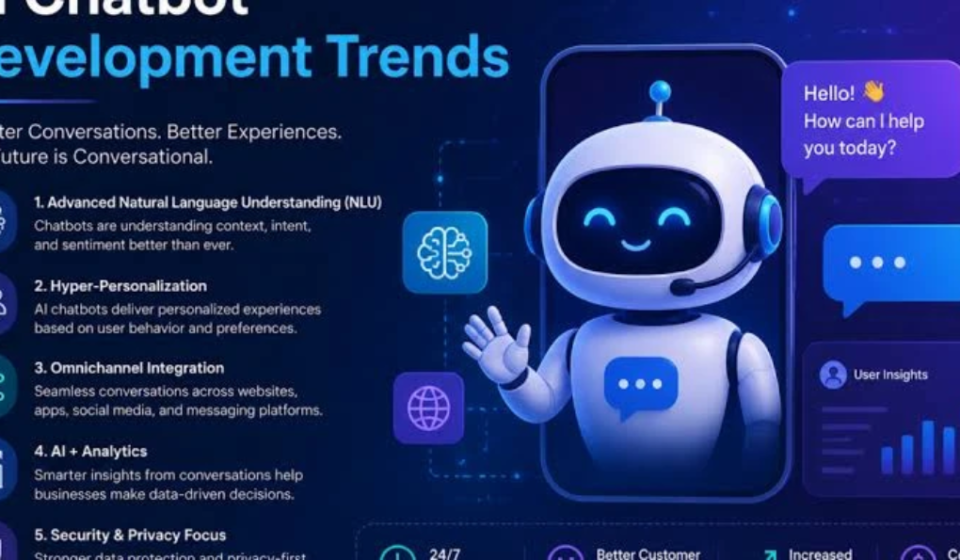

Millions now confide in AI chatbots instead of friends or therapists. Here’s why people trust AI with their secrets in 2026 — and what it means for privacy.
Something strange is happening in bedrooms, cars, and late-night kitchens around the world. People are opening up a chat window and typing things they’ve never told another human being — their fears, their affairs, their debts, their darkest thoughts. Not to a friend. Not to a therapist. To an AI chatbot.
This isn’t a niche behavior anymore. Surveys throughout 2025 and 2026 have repeatedly shown that a growing share of chatbot users treat AI as a personal confidant, and in some cases, their primary emotional outlet. Understanding why this is happening — and what it costs — matters for anyone who uses these tools, which by now is nearly everyone with a smartphone.
Why People Are Choosing AI Over Humans
The reasons people give for confiding in AI are remarkably consistent. First, there’s no judgment. An AI chatbot doesn’t raise an eyebrow, gossip to a mutual friend, or remember an embarrassing confession at the next family dinner. That perceived neutrality lowers the emotional barrier to honesty in a way few human relationships can match.
Second, AI is always available. A 3 a.m. panic attack doesn’t require waking anyone up or waiting for office hours. The chatbot responds instantly, patiently, and without ever seeming tired of the conversation.
Third, many people simply feel unheard in their daily lives. Therapy is expensive and often has long waitlists. Friends are busy. Family relationships can be complicated. An AI fills a gap that modern life has left wide open, offering something that feels like attentive listening on demand.
Psychologists who study this trend point to a concept sometimes called the “online disinhibition effect.” People say things to a screen that they would never say face-to-face, because the interaction feels lower-stakes and less permanent, even when it isn’t. AI chatbots amplify this effect because they respond with warmth, patience, and a conversational tone that mimics empathy convincingly.
There’s also a projection effect at play. Many users report feeling like the AI “understands” them, even though it has no memory of who they are beyond the current conversation and no genuine emotional experience. That illusion of connection can be comforting, but it can also quietly encourage people to substitute AI conversations for real human relationships rather than supplement them.
The Privacy Risk Nobody Wants to Think About
Here’s the part most people skip past: conversations with AI chatbots are not automatically private in the way a conversation with a close friend is. Depending on the platform, chats may be stored, used to improve the underlying model, or potentially exposed in a data breach. Sensitive details — a medical diagnosis, a workplace conflict, financial trouble, an extramarital affair — can end up sitting on a company’s servers indefinitely.
Most major AI companies now offer settings to limit data retention or opt out of having conversations used for training, but very few users actually check these settings. The convenience of typing out a secret in the moment usually wins over the discipline of reading a privacy policy first.
There’s also a subtler risk:
emotional dependency. Relying on an AI as a primary source of comfort during a crisis can delay someone from seeking real professional help when they genuinely need it, since a chatbot cannot diagnose a condition, intervene in an emergency, or replace the accountability of human relationships.
How to Use AI as a Sounding Board Without the Downsides
None of this means AI conversations are inherently bad. Used thoughtfully, they can genuinely help people process emotions, rehearse difficult conversations, or simply think out loud. The key is treating AI as a tool for reflection, not a replacement for human connection or professional care.
A few practical habits make a real difference. Check the privacy or data controls of whichever AI platform you use, and turn off chat history or training use if that option exists. Avoid sharing information that could identify you alongside sensitive personal details, such as full names, addresses, or account numbers. And if a conversation with AI is filling a gap that used to be filled by a therapist, doctor, or close friend, treat that as a signal worth paying attention to rather than ignoring.
Bottom Line
People are turning to AI chatbots as confidants because they’re patient, available, and nonjudgmental in ways human relationships sometimes aren’t. That’s a real and understandable need. But the comfort of typing out a secret at 2 a.m. shouldn’t come at the cost of privacy or genuine human support. The smartest way to use AI in 2026 is as a helpful companion for thinking things through — not as a substitute for the people, and professionals, who can actually be there for you.Published: September 9, 2026 — From James Carter — Your trusted source for honest tech guidesartificial intelligence, AI chatbots, digital privacy, mental health, AI trends 2026



Because ai chats getting closer