

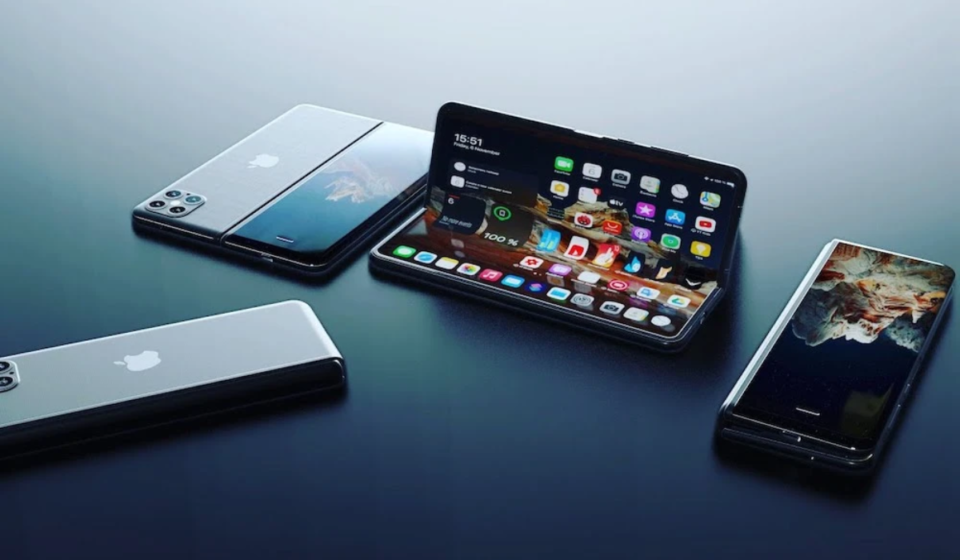

We’ve already covered whether foldable phones in general are finally worth buying in 2026. But one device has dominated the conversation more than any other lately: Apple’s own rumored entry into the category. Unlike the Samsung and Android foldables already on shelves, early leaks suggest Apple is taking a distinctly different approach — and the details are worth a closer look.
After years of watching Samsung, Google, and Chinese manufacturers dominate the foldable phone race, Apple finally looks ready to enter the game. Early hands-on impressions and leaked details about the rumored foldable iPhone Ultra are now circulating, and the buzz around this device has quickly turned it into one of the most talked-about tech stories of the year.
Here’s a breakdown of everything currently known about Apple’s first foldable iPhone, based on the latest reports.
Design: A Passport, Not a Book
Unlike Samsung’s book-style folding phones, early testers describe the foldable iPhone Ultra as having a more compact, passport-style form factor when closed. This means a shorter, wider profile rather than a tall, narrow one — a design choice that could make the phone easier to carry in a pocket while still unfolding into a larger workspace.
Reports also point to a notably durable hinge mechanism, addressing one of the biggest long-term concerns with foldable phones: crease visibility and hinge wear over repeated folds.
Display: Bigger Screen, Barely a Crease
The standout feature is the display setup. The internal screen is expected to measure around 7.8 inches — closer to a small tablet than a phone — with a design that keeps the crease at the fold nearly invisible, a persistent pain point for competing foldables.
On the outside, a secondary 5.5-inch cover display allows for quick tasks like checking notifications or taking photos without needing to unfold the device.
Performance and Cameras
Early feedback highlights that the foldable iPhone Ultra performs particularly well as a camera viewfinder, thanks to the larger inner display giving photographers more room to frame shots. Gaming and productivity performance have also received positive early marks.
The dual-camera system, however, has drawn more mixed reactions in early testing — suggesting Apple may still be fine-tuning the camera hardware or software processing ahead of launch.
Release Date and Price: What to Expect
Apple hasn’t made an official announcement, but current speculation points to a possible unveiling alongside the rest of the iPhone lineup around September 2026. As with most Apple launches, official pricing and firm release dates are expected to be confirmed only closer to the event.
Given the premium components involved — the larger folding display, reinforced hinge, and dual cover screens — expect the foldable iPhone Ultra to sit at the very top of Apple’s pricing tiers, likely surpassing the current iPhone Pro Max lineup.
Should You Wait for It?
If you’re due for an upgrade and foldable phones interest you, here’s the honest take:
Wait if: You want Apple’s take on foldables specifically, care about long-term software support, or are curious how Apple’s ecosystem (iMessage, FaceTime, multitasking) adapts to a larger folding screen.
Don’t wait if: You need a phone now, are budget-conscious (first-generation foldables are rarely cheap), or you’re not sold on the foldable form factor to begin with — a flagship non-folding iPhone will likely serve you just as well for less money.
Bottom Line
Apple’s entry into foldables has been rumored for years, and 2026 finally looks like the year it becomes real. Early impressions suggest Apple has thought carefully about the durability and crease issues that have plagued other foldables, though the camera system may need more polish before launch. As more details emerge closer to a possible September reveal, this is a device well worth watching — even if you’re not ready to buy on day one.
Published: Aug. 30.2026— From James Carter — Your trusted source for honest tech guides