

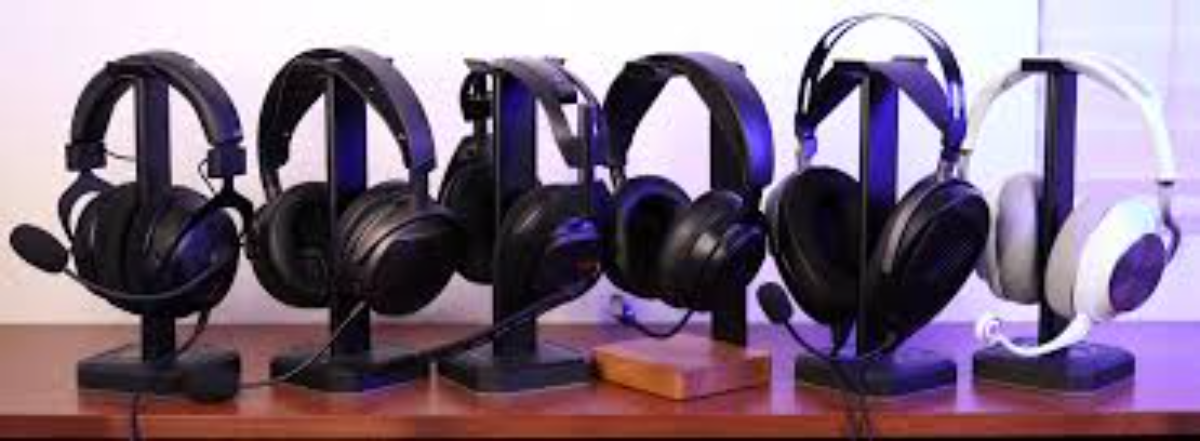

Wireless gaming headsets have matured a lot this year — latency is no longer the trade-off it used to be, and 2.4GHz connections now rival wired response times in most cases. With so many solid options on the market, the real question isn’t which headset is “best” overall, but which one fits your budget and how you actually game.
Why Wireless Why Wireless Finally Caught Up
For years, competitive gamers avoided wireless headsets because even small amounts of audio lag could throw off timing in fast-paced games. That gap has closed significantly. Modern 2.4GHz wireless connections now deliver latency low enough that most players won’t notice a difference from a wired connection, even in competitive shooters. Bluetooth headsets still lag slightly behind dedicated 2.4GHz dongles for gaming specifically, so if low latency is a priority, look for a headset that includes a USB wireless adapter rather than relying on Bluetooth alone.
What Actually Matters When Choosing One
Battery life. This varies enormously across the market — anywhere from 15 hours on some models to well over 100 hours on others. If you game in long sessions or forget to charge devices regularly, prioritize a headset with a larger battery buffer over one with flashier features.Comfort for long sessions. A headset that feels fine for the first hour can become genuinely uncomfortable during a longer session. Clamping force, ear cup padding, and overall weight matter more than most buyers expect. If possible, check return policies before buying, since comfort is highly individual and hard to judge from spec sheets alone.Microphone quality. Built-in gaming headset microphones have improved significantly, but they still vary widely in clarity. If you regularly voice chat, stream, or record content, a detachable or boom microphone with active noise reduction will make a noticeable difference over a fixed mic built into the ear cup.Platform compatibility. Not every wireless headset works seamlessly across PC, PlayStation, and Xbox. Some require separate dongles or software for each platform, and a few premium options let you pair with two devices simultaneously. If you regularly switch between platforms, confirm compatibility before buying rather than assuming.Spatial and positional audio. For competitive multiplayer games, being able to accurately judge footstep direction and gunshot distance can matter more than raw sound quality. Headsets marketed specifically for competitive gaming tend to prioritize this kind of directional clarity over broader, bass-heavy sound signatures.
Matching a Headset to How You Actually Play
Competitive multiplayer players: Prioritize low latency and directional audio clarity over premium sound signatures. A mid-range headset built specifically for competitive gaming will often outperform a more expensive general-purpose one here.Long single-player sessions: Comfort and battery life matter more than anything else. Look for lighter designs and cushioned ear cups rated for extended wear.Streamers and content creators: Prioritize microphone quality above all else — your audience will notice mic clarity far more than headset audio quality.Multi-platform gamers: Confirm cross-platform compatibility first, since this narrows the field significantly before you even compare sound quality.Budget-conscious buyers: Mid-range headsets have closed much of the gap with premium options this year. You generally don’t need to spend at the top of the market to get solid latency, comfort, and battery life.
A Word on Open-Back Alternatives
Worth mentioning: some gamers who prioritize pure sound quality over convenience opt for open-back headphones paired with a separate clip-on microphone instead of a traditional closed gaming headset. This setup can deliver noticeably better audio quality for the price, though it sacrifices noise isolation and portability — sound leaks in both directions, which makes it a poor fit for shared spaces or competitive environments where isolation matters.
The Bottom Line
The “best” wireless gaming headset in 2026 depends entirely on how and where you play. Competitive players should prioritize latency and directional audio, long-session players should prioritize comfort and battery life, and anyone who talks to teammates or an audience regularly should weight microphone quality heavily. Rather than chasing the single top-rated option on every list, match the headset to your actual gaming habits, and you’ll end up far more satisfied with the purchase.
Looking for more free tools to make your day-to-day easier? https://fast-convert.net offers a range of free browser-based utilities, including fast and simple file conversions with no installation required.
Published: August 11, 2026 — From James Carter — Your trusted source for honest tech guides