

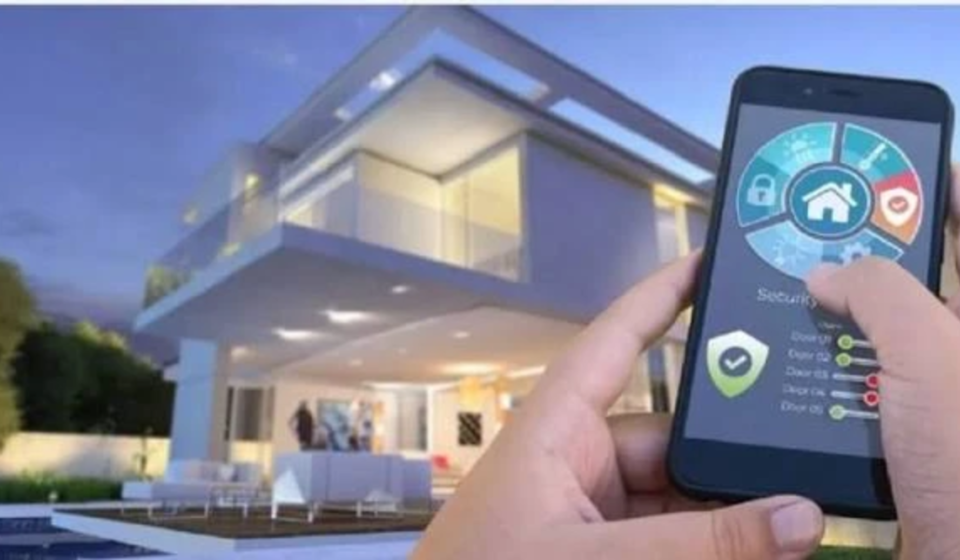

Imagine waking up to soft natural light gently filling your room, while your favorite playlist starts playing at just the right volume. Your coffee machine has already brewed your morning blend, the thermostat has adjusted to the perfect temperature, and your phone notifies you that your front door is locked—all before you even step out of bed. This isn’t a scene from a science fiction movie; it is the everyday reality of a smart home. In recent years, smart home technology has evolved from a luxury novelty into an accessible, transformative way of living, reshaping how we interact with our spaces, manage our resources, and keep our families safe.
What Exactly Is a Smart Home?
At its core, a smart home is a residence equipped with internet-connected devices that can be remotely monitored, controlled, and automated. These devices range from simple smart bulbs and voice assistants to advanced security systems, thermostats, and kitchen appliances. They communicate with one another through a central hub or cloud-based platform, allowing you to create custom routines and manage your home from anywhere in the world using a smartphone, tablet, or voice commands. The goal is simple: to make your home work for you, anticipating your needs and simplifying daily tasks.
Unmatched Convenience at Your Fingertips
The most immediate benefit of smart home technology is unparalleled convenience. Forget rushing around the house before leaving to check if you turned off all the lights or locked the windows. With a single tap on your phone or a simple voice command like “Goodbye,” you can power down unnecessary devices, lock all entry points, and even lower your blinds. Smart speakers and voice assistants—such as Amazon Alexa, Google Assistant, or Apple Siri—act as the brain of the home, letting you control entertainment, set reminders, check the weather, and manage your schedule without lifting a finger. This seamless integration saves time and reduces the mental load of remembering countless small tasks throughout the day.
Enhanced Security and Peace of Mind
Safety is one of the most compelling reasons people upgrade to smart homes. Modern smart security systems offer far more than traditional locks and alarms. Smart doorbells with built-in cameras let you see and speak to visitors even when you are thousands of miles away. Motion sensors and outdoor cameras send real-time alerts to your phone the moment unusual activity is detected, helping you deter potential intruders before any harm is done. Smart locks eliminate the risk of lost or stolen keys; you can grant temporary access to family members, guests, or service workers and revoke it instantly whenever needed. For families, this level of visibility and control creates an invaluable sense of safety and connection, knowing you can always check in on your home and loved ones.
Energy Efficiency That Saves Money
Beyond comfort and safety, smart homes play a crucial role in environmental sustainability and cost savings. Traditional homes waste massive amounts of energy through forgotten lights, over-conditioned empty rooms, and outdated appliances. Smart thermostats, such as the Nest or Ecobee, learn your temperature preferences and adjust automatically—lowering the heat or cooling when you are away and warming it up just before you return. Smart lighting systems turn off in unoccupied rooms and dim during daylight hours. Even smart plugs can cut power to “vampire devices” that consume electricity while idle. Studies show that smart home automation can reduce energy consumption by up to 30%, which translates directly into lower monthly utility bills. Over time, these savings often offset the initial cost of the devices, making smart living both eco-friendly and budget-friendly.
Accessibility and Inclusivity
Smart home technology is also a powerful tool for accessibility, making daily life easier for people with disabilities, the elderly, and those with limited mobility. Voice-controlled lighting, door locks, and appliances remove the need for physical effort. Automated curtains, voice-activated showers, and remote-controlled window blinds empower individuals to maintain their independence and dignity in their own homes. For aging populations, smart sensors can even detect falls or unusual inactivity and alert emergency services, turning a home into a proactive safety partner rather than just a living space.
The Road Ahead: What’s Next?
The smart home industry is evolving at lightning speed. Artificial intelligence is making devices smarter, learning your habits to create truly personalized experiences without manual setup. Integration between different brands and ecosystems is improving, so you no longer need separate apps for every device. As technology becomes more affordable and internet access becomes universal, smart homes will become the standard rather than the exception.
Final Thoughts
The smart home revolution is not just about gadgets—it is about reclaiming your time, protecting your loved ones, respecting the planet, and creating a living space that adapts to you. Whether you start with a single smart bulb or build a fully automated ecosystem, every step toward a smarter home is an investment in a more comfortable, secure, and efficient future. Technology has finally caught up to our dreams, and the home of to